
superfood salad habit
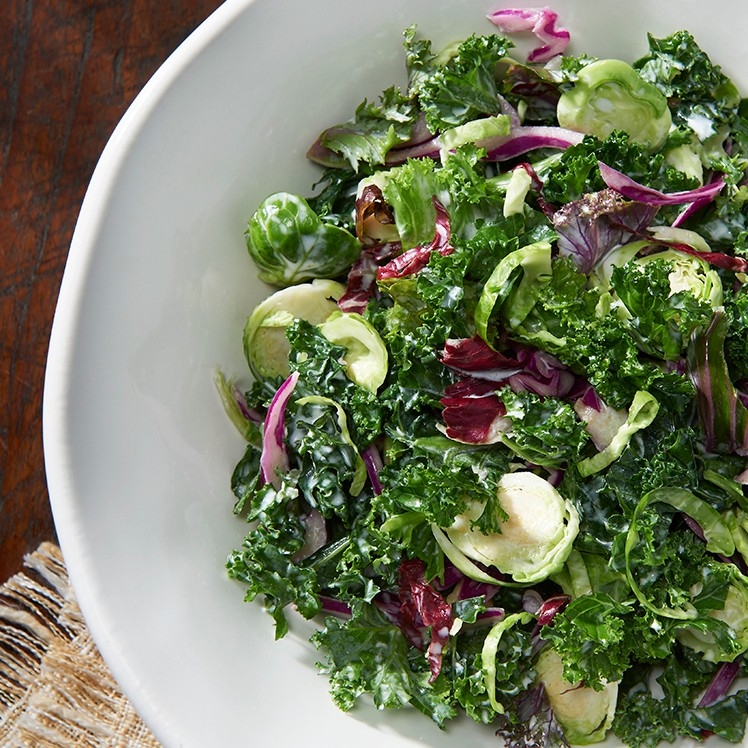
This rainbow mix of kale, Brussels sprouts, Napa cabbage, red cabbage and radicchio is sure to add a colorful crunch to your salad options. Chopped, mixed, and ready to serve just add dried fruits, nuts, a few vegetables and a clean dressing to create a signature salad.
FEATURES
Fresh, flavorful and all natural, yet also convenient and cost-conscious
Fully washed and fresh-cut
BENEFITS
The perfect easy-add ingredient for salads, sandwiches and sautés
Incorporating a superfood salad habit into your diet can have numerous health benefits, including:
- Increased nutrient intake: Superfoods such as kale, spinach, and berries are packed with nutrients such as vitamins, minerals, and antioxidants, which can help support overall health and wellness.
- Improved digestion: Vegetables and other fiber-rich ingredients in a superfood salad can help promote healthy digestion and keep you feeling fuller longer.
- Weight management: Superfood salads can be a low-calorie, nutrient-dense meal option that can help with weight management when incorporated into a healthy eating plan.
- Reduced inflammation: Superfoods such as turmeric, ginger, and blueberries contain anti-inflammatory compounds that can help reduce inflammation in the body and improve overall health.
- Increased energy: Superfoods such as nuts, seeds, and avocado contain healthy fats that can provide sustained energy throughout the day.
- Improved heart health: A diet rich in superfoods has been linked to improved heart health, as many superfoods contain nutrients that can help reduce blood pressure and cholesterol levels.
- Better skin health: Superfoods such as leafy greens, berries, and nuts contain vitamins and minerals that can help improve skin health and reduce the signs of aging.
Incorporating a superfood salad habit into your diet can provide a wide range of health benefits and help support a healthy, balanced lifestyle.
A superfood salad habit can be an excellent way to incorporate nutrient-dense foods into your diet and maintain a healthy lifestyle. Here are some tips for developing a superfood salad habit:
Start with a variety of greens: Choose a mix of greens such as kale, spinach, arugula, or mixed greens as a base for your salad. These greens are high in vitamins and minerals and provide a variety of textures and flavors.
Add colorful vegetables: Add a variety of colorful vegetables such as
carrots, peppers, tomatoes, and beets to your salad. These vegetables
are rich in antioxidants and can help fight inflammation.
- include healthy fats: Add healthy fats such as avocado, nuts, and seeds to your salad. These fats help with nutrient absorption and provide sustained energy.
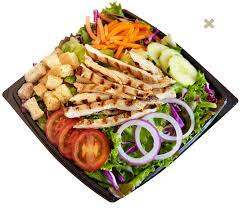
- Include lean protein: Add lean protein sources such as grilled chicken, tofu, or beans to your salad to help you feel fuller longer.
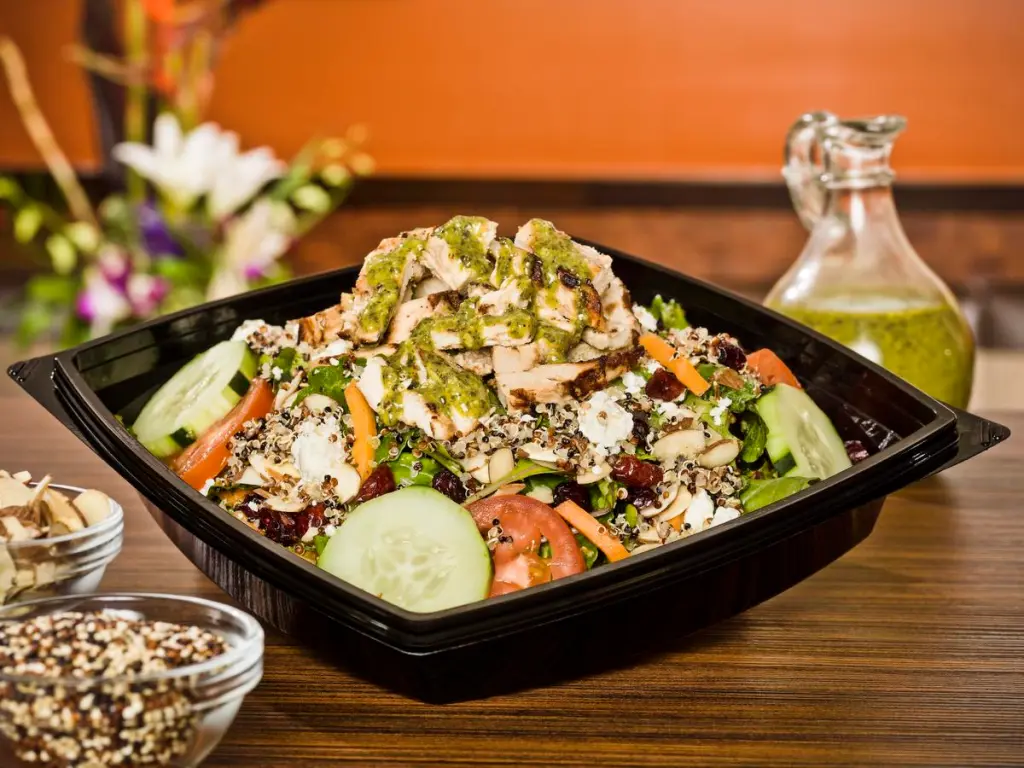
- Experiment with superfoods: Add superfoods such as chia seeds, quinoa, or goji berries to your salad. These foods are high in antioxidants and provide additional health benefits.
- Dress it up: Choose a healthy dressing such as olive oil and vinegar or lemon juice to add flavor to your salad without adding excess calories.
- Make it a habit: Incorporate a superfood salad into your daily routine by preparing it ahead of time and making it a part of your meal planning.
Remember, the key to developing a superfood salad habit is to make it enjoyable and sustainable. Try different ingredients and flavor combinations to find what works for you, and don’t be afraid to experiment with new superfoods and recipes.
superfood salad habit for children
Introducing a superfood salad habit to children can be an excellent way to encourage them to eat a healthy and balanced diet. Here are some tips for incorporating superfood salads into a child’s diet:
Involve them in the process: Encourage children to help with selecting ingredients, washing and chopping vegetables, and preparing the salad. This can make them more invested in the process and more likely to try new foods.
- Keep it simple: Start with simple and familiar ingredients such as lettuce, cucumber, and cherry tomatoes. As your child becomes more comfortable with these ingredients, you can gradually introduce new ones.
- Be creative: Make the salad fun and interesting by adding different colors, textures, and shapes. Use cookie cutters to create fun shapes out of fruits and vegetables or arrange the ingredients into a fun design.
- Add a dip: Children may be more likely to eat their vegetables if they are served with a dip such as hummus or guacamole. These dips can also add additional nutrients and healthy fats to the salad.
- Make it a meal: Turn the superfood salad into a complete meal by adding a protein source such as grilled chicken, tofu, or chickpeas. This can help keep your child feeling fuller for longer and provide sustained energy.
- Offer variety: Keep the superfood salads interesting by offering a variety of different ingredients and flavor combinations. This can help prevent boredom and encourage your child to try new foods. Remember, introducing a superfood salad habit to children takes time and patience. Encourage your child to try new foods, but don’t force them. Offer a variety of different options and let your child choose what they want to include in their salad. With time, they may develop a love for superfood salads and healthy eating habits that can last a lifetime.
superfood salad habit into an older adult’s diet
Incorporating a superfood salad habit into an older adult’s diet can be an excellent way to promote health and wellness. Here are some tips for incorporating superfood salads into the diet of an older adult:
Choose easy-to-chew ingredients: As we age, our ability to chew and swallow can be compromised. Choose softer, more easily chewed ingredients such as cooked vegetables, beans, and grains.
- Add protein: Adding protein-rich ingredients such as grilled chicken, salmon, hard-boiled eggs, or tofu can help maintain muscle mass and promote overall health.
- Consider nutrient needs: Older adults may have different nutrient needs than younger adults. Incorporate superfoods such as leafy greens, berries, and nuts that are high in nutrients that older adults may need, such as vitamin B12, calcium, and vitamin D.
- Keep it flavorful: As taste buds can change with age, adding flavorful ingredients such as fresh herbs, spices, and citrus can make the salad more enjoyable.#superfood salad recipes
- Consider special diets: If the older adult has any dietary restrictions or health conditions, such as diabetes or heart disease, adjust the superfood salad accordingly to meet their specific needs.
- Make it easy: Preparing a superfood salad in advance can make it easier for an older adult to incorporate into their daily routine. Consider preparing a large batch of salad at the beginning of the week, so it’s ready to eat when needed. #superfood salad
Stay hydrated: Encourage the older adult to drink plenty of fluids throughout the day, such as water, herbal tea, or low-sugar beverages, to help maintain hydration.#chick fil a superfood salad






Leave A Comment